


Boost Recovery with Muscle Recovery Massage Tips
When it comes to healing and restoring your body after intense physical activity, nothing quite matches the soothing power of a well-executed massage. I’ve found that incorporating muscle recovery massage tips into my routine has made a world of difference. It’s not just about relaxation; it’s about helping your muscles heal, reducing soreness, and improving your overall performance. Let me take you through some of the most effective techniques and insights that can help you boost your recovery and feel your best.
Understanding the Importance of Muscle Recovery Massage Tips
Muscle recovery is a crucial part of any fitness or athletic journey. After pushing your body, your muscles need time and care to repair the tiny tears that occur during exercise. Without proper recovery, you risk injury, fatigue, and decreased performance. This is where muscle recovery massage tips come in handy.
Massage therapy helps by increasing blood flow to the muscles, which delivers oxygen and nutrients essential for repair. It also helps flush out metabolic waste products like lactic acid, which can cause stiffness and soreness. When you apply the right techniques, you encourage your muscles to relax and lengthen, reducing tension and improving flexibility.
Here are some practical tips to keep in mind:
Hydrate well before and after massage to support circulation and toxin removal.
Communicate with your therapist about areas of tightness or discomfort.
Incorporate gentle stretching post-massage to maintain muscle length.
Schedule massages regularly to maintain muscle health, not just after injury.
By embracing these tips, you’re not only speeding up recovery but also nurturing your body in a way that promotes long-term wellness.
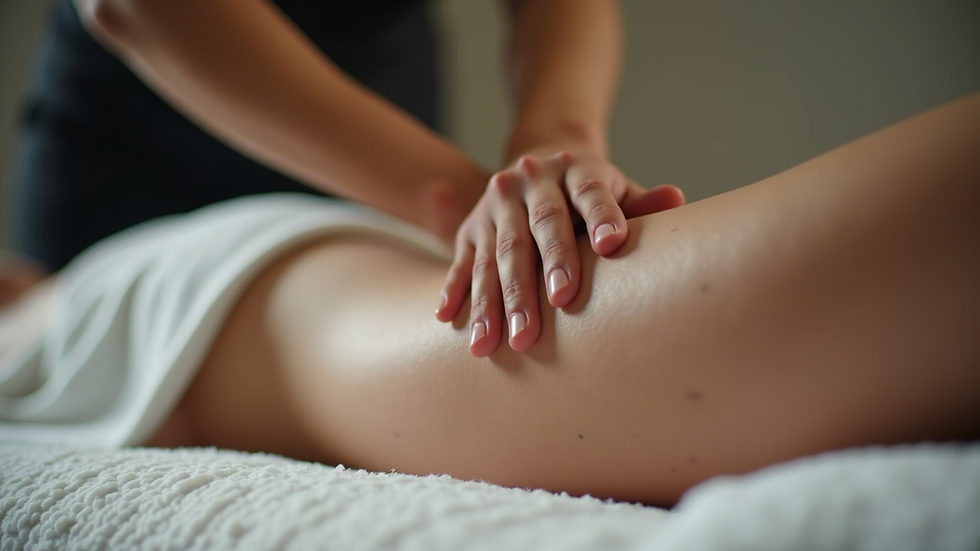
Effective Muscle Recovery Massage Tips You Can Use
Let’s dive deeper into some specific muscle recovery massage tips that you can either practice yourself or discuss with your massage therapist. These techniques are designed to target common problem areas and enhance your body’s natural healing process.
1. Start with Light Effleurage
Effleurage is a gentle, gliding stroke that warms up the muscles and prepares them for deeper work. It’s a wonderful way to begin any massage session because it encourages blood flow and calms the nervous system. You can perform this by using the palms of your hands to stroke the muscle in long, smooth movements, always moving towards the heart.
2. Use Petrissage for Muscle Loosening
Petrissage involves kneading and lifting the muscles. This technique helps break down knots and adhesions that form after intense exercise. It also stimulates circulation and promotes lymphatic drainage, which reduces swelling and inflammation.
3. Apply Trigger Point Therapy
Trigger points are tight, painful spots within muscles that can refer pain to other areas. Applying focused pressure on these points can release tension and improve muscle function. Use your fingers or thumbs to apply steady pressure for about 30 seconds, then slowly release.
4. Incorporate Myofascial Release
The fascia is the connective tissue surrounding muscles. When it becomes tight, it restricts movement and causes discomfort. Myofascial release involves gentle, sustained pressure to stretch and loosen this tissue, improving mobility and reducing pain.
5. Finish with Gentle Stretching
After the massage, gentle stretching helps maintain the lengthened state of the muscles and fascia. It also encourages relaxation and prevents stiffness from returning.
By combining these techniques, you create a comprehensive approach to muscle recovery that addresses both the muscles and the surrounding tissues.
Which Massage is Best for Muscle Recovery?
Choosing the right type of massage can make all the difference in how quickly and effectively your muscles recover. Here are some popular options and what they offer:
Deep Tissue Massage
This massage targets the deeper layers of muscle and connective tissue. It’s excellent for breaking down scar tissue and chronic muscle tension. If you’re dealing with persistent tightness or injury, deep tissue massage can be very beneficial.
Sports Massage
Specifically designed for athletes and active individuals, sports massage focuses on preventing and treating injuries, improving flexibility, and enhancing performance. It often combines techniques like effleurage, petrissage, and trigger point therapy. You can learn more about sports massage for muscle recovery and how it can support your healing journey.
Remedial Massage
This is a clinical approach that targets specific musculoskeletal issues. It’s highly personalised and often used to treat pain, stiffness, and injury. Remedial massage therapists assess your body and tailor the treatment to your needs.
Swedish Massage
Known for its relaxing and gentle strokes, Swedish massage is great for overall relaxation and improving circulation. While it’s less intense than deep tissue or sports massage, it still supports recovery by reducing stress and promoting blood flow.
Myofascial Release
As mentioned earlier, this technique focuses on the fascia and is excellent for improving mobility and reducing pain caused by tight connective tissue.
When deciding which massage is best for you, consider your goals, the intensity of your activity, and any existing injuries or discomfort. A skilled therapist can help guide you to the most suitable option.

How to Maximise the Benefits of Muscle Recovery Massage
Getting a massage is just one part of the recovery puzzle. To truly maximise the benefits, you can adopt a few supportive habits that complement your massage sessions.
Prioritise Rest and Sleep
Your body does most of its healing during sleep. Aim for 7-9 hours of quality rest each night to allow your muscles to repair and regenerate.
Stay Hydrated
Water helps flush out toxins released during massage and supports nutrient delivery to your muscles. Drink plenty of fluids before and after your session.
Maintain a Balanced Diet
Eating foods rich in protein, antioxidants, and healthy fats provides the building blocks your muscles need to recover. Think lean meats, colourful vegetables, nuts, and seeds.
Use Heat and Cold Therapy
Alternating between heat and cold can reduce inflammation and soothe sore muscles. Heat relaxes tight muscles, while cold reduces swelling.
Incorporate Regular Movement
Gentle activities like walking, swimming, or yoga keep your muscles active without overloading them. Movement encourages circulation and prevents stiffness.
By weaving these habits into your routine, you create a nurturing environment for your muscles to heal and thrive.
Embracing a Holistic Approach to Recovery
Recovery is more than just physical repair - it’s about restoring balance to your entire body and mind. When I think about healing, I see it as a gentle journey that requires patience and kindness towards yourself.
Massage therapy is a beautiful way to connect with your body, listen to its needs, and offer it the care it deserves. Whether you’re recovering from a tough workout or managing chronic discomfort, personalised treatments can make a profound difference.
At Clinically Zen, the focus is on holistic and clinically informed remedial massage bodywork therapy. This means every session is tailored to your unique needs, helping you relieve discomfort, restore balance, and improve your overall wellbeing. It’s a warm, welcoming space where healing happens naturally and gently.
Remember, your body is your lifelong companion. Treat it with love, and it will support you through every step of your journey.
I hope these muscle recovery massage tips inspire you to explore the healing power of massage. Your body will thank you for the care and attention you give it. Here’s to feeling refreshed, restored, and ready to embrace whatever comes next.


Comments